Ultra-Processed Foods: What the Evidence Says, and What Gets Overblown
Few nutrition topics have moved from academic journals to dinner-table conversation as quickly as ultra-processed foods. The term is everywhere, usually attached to an alarming headline. And the concern is not manufactured: the evidence linking high intake of these foods to poor health is genuinely substantial. But the story is more nuanced than "processed equals bad", and understanding that nuance is the difference between a useful dietary principle and needless anxiety about the contents of your cupboard.
What Counts as Ultra-Processed?
The most widely used framework is the NOVA classification, which sorts foods by how much industrial processing they have undergone rather than by their nutrient content. At the top sits group four: ultra-processed foods. These are industrial formulations typically made from refined ingredients and additives — emulsifiers, sweeteners, colours, stabilisers, and flavourings — many of which you would never find in a domestic kitchen. Fizzy drinks, packaged snacks, mass-produced bread, ready meals, and confectionery all fall into this category. The defining feature is not a single ingredient but the degree of industrial transformation.
This is also where the concept starts to strain. NOVA places a can of cola and a pot of plain wholegrain-topped yoghurt in the same group, despite their being nutritionally worlds apart. Judging a food purely by its level of processing, rather than what it actually does to the body, inevitably lumps together items that behave very differently. Keep that limitation in mind as we look at the evidence.
The Evidence Is Hard to Dismiss
A major umbrella review published in the BMJ pulled together 45 pooled analyses covering nearly 10 million people, and the pattern was consistent. Diets high in ultra-processed food showed convincing evidence of a roughly 50% higher risk of dying from cardiovascular disease, alongside a clear dose-response link to type 2 diabetes and a markedly raised risk of anxiety and common mental disorders. Evidence rated highly suggestive tied high intake to a 21% greater risk of death from any cause, a 55% higher likelihood of obesity, and increased rates of depression.
More recent work reinforces the trend. A 2025 meta-analysis pooling 18 cohort studies and over a million participants found that the highest consumers of ultra-processed food faced a 15% higher risk of death from any cause, with every 10% rise in the share of ultra-processed food in the diet adding roughly a further 10% to that risk. Taken together, this is not a fringe finding — it is a large and reasonably consistent body of evidence.
The association between diets heavy in ultra-processed food and poor health is one of the more consistent findings in modern nutrition. The debate is not whether it exists, but what actually drives it.
Why the Nuance Matters
Here is the part the headlines tend to skip. When researchers break the ultra-processed category into its component parts, the risk is far from evenly distributed. Sugar-sweetened beverages, processed meats, and many fatty spreads and sauces are consistently associated with worse outcomes. But other ultra-processed foods — wholegrain breads, some breakfast cereals, and certain yoghurts and dairy products — show neutral or even favourable associations with health. The category as a whole is dragged down by its worst members.
This tells us that "ultra-processed" is often a proxy for the things that genuinely matter: high added sugar, high salt, low fibre, low protein, and a high calorie density that makes overeating easy. A sugary drink and a wholemeal loaf are both technically ultra-processed, but only one of them is a sensible thing to cut back on. Fixating on the label rather than the underlying qualities can lead people to avoid perfectly reasonable foods while missing the point entirely.
Association Is Not Proof — But There Is a Mechanism
Almost all of this evidence is observational, which means it cannot fully rule out that people who eat more ultra-processed food differ in other ways — lower income, less physical activity, poorer sleep — that independently harm health. Researchers adjust for these factors, but residual confounding is a genuine limitation, and it is right to be cautious about claims of direct causation.
That said, there is a plausible mechanism, and at least one carefully controlled feeding trial has shown that when people are given an ultra-processed diet, they spontaneously eat several hundred more calories a day and gain weight, compared with a matched whole-food diet. Ultra-processed foods are engineered to be hyperpalatable and easy to eat quickly, they are often soft and energy dense, and they tend to be low in the fibre and protein that signal fullness. The result is that you can consume a lot of calories before your body registers that you have eaten enough.
A Sensible Way to Respond
You do not need to purge your kitchen or treat every packaged item as a threat. The practical takeaway is to concentrate your effort where the evidence is strongest, and not to sweat the foods that carry little or no risk:
- Cut back most on the clear offenders: sugar-sweetened drinks, processed meats, confectionery, and salty packaged snacks
- Do not stress about minimally harmful ones: wholegrain bread, plain yoghurt, tinned beans, and fortified cereals are fine to keep
- Judge a food by its qualities — added sugar, salt, fibre, protein, and calorie density — rather than by the processing label alone
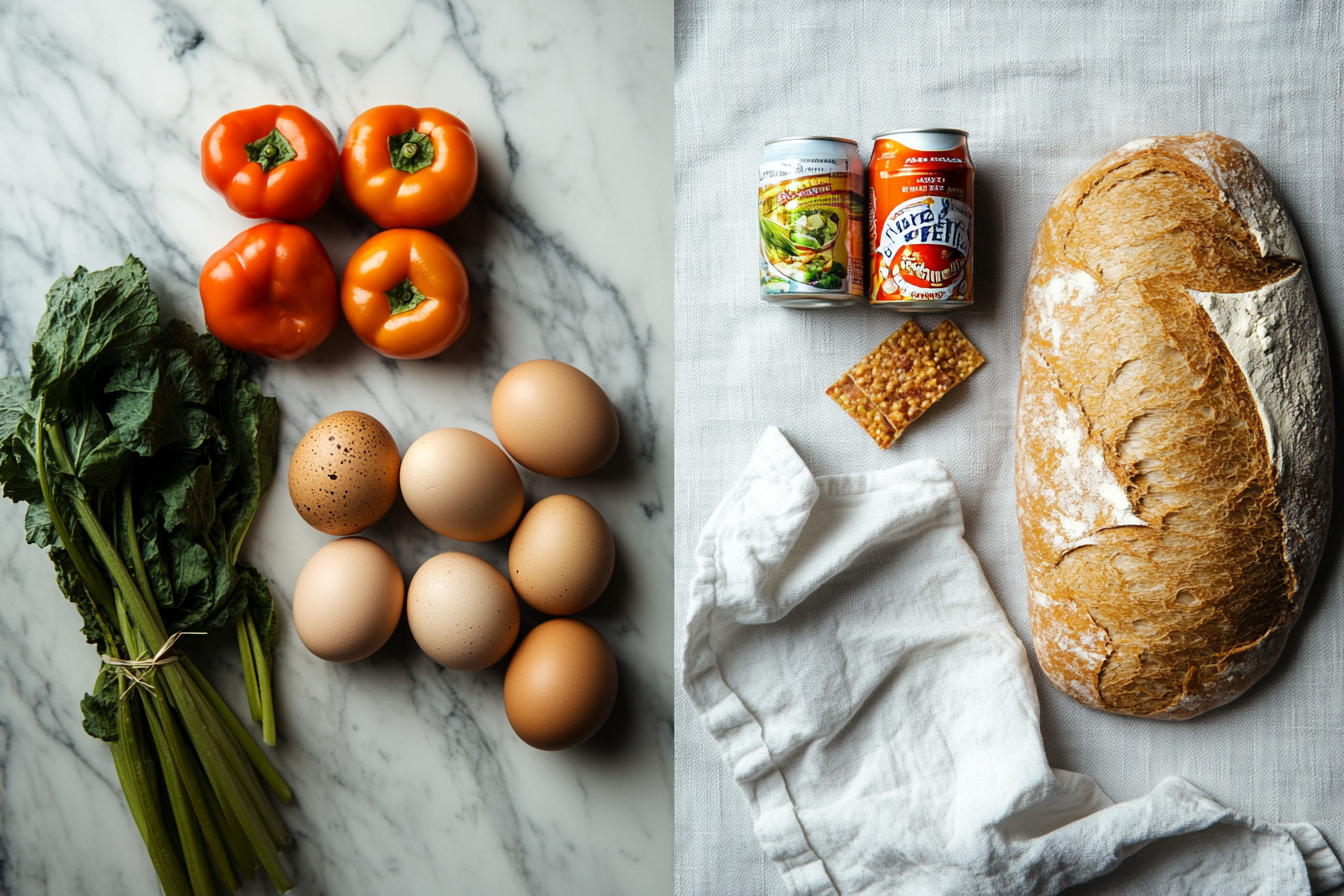
- Build most meals around whole or minimally processed foods: vegetables, fruit, legumes, whole grains, eggs, fish, and unprocessed meat
- Watch how fast and how easily you eat something — foods that vanish without touching the sides are usually the ones worth moderating
The goal is not zero processed food — it is fewer sugary drinks and less confectionery, and more meals built from ingredients you recognise. Progress here beats purity.
Ultra-processed food is a useful warning label, but a blunt one. The healthiest response is not fear of a category but attention to what actually drives the risk: excess sugar and salt, too little fibre and protein, and a calorie density that quietly encourages overeating. Helic builds your meals around whole, recognisable ingredients that hit your macro targets, so eating well becomes the default rather than a daily battle with the packaging.